


Preparing Your Child for School
Communication Skills That Help Prepare Your Child For School
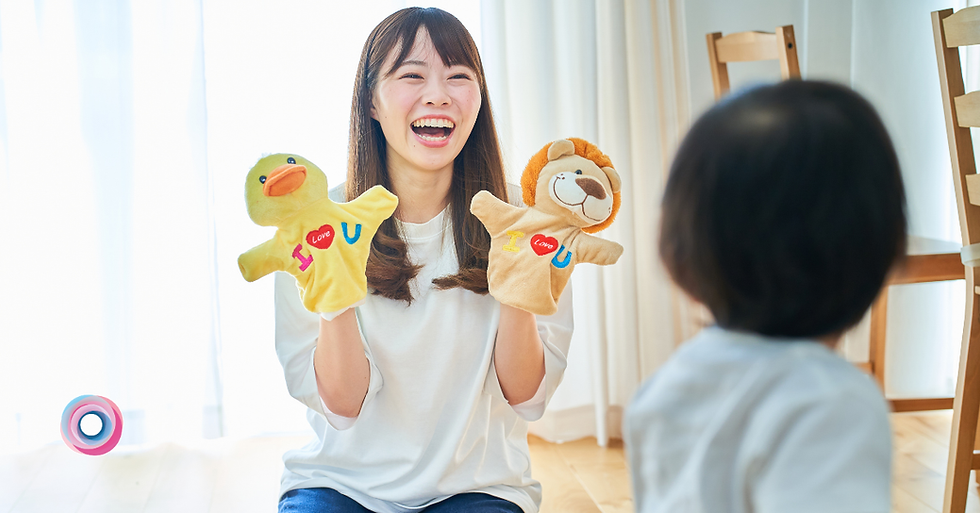
Starting school is a big milestone. At school, your child’s listening, speaking, and social skills will all play a big part in them settling in and getting the most from their learning. There’s lots you can do at home to build your child’s communicative confidence and independence.
There is new government guidance and practical advice to help families get children ready for school. This provides guidance to ensure a smooth start, including strong relationships between schools and families and early identification of needs.
Here at bMindful, we know that Speech and Language skills are key to ensure your child gets used to new activities and routines when they start school.
When your child is at home with you, you can practice communication skills with fun activities. It’s helpful to gradually introduce these as part of your daily routines and have regular practice, as they can take time to master.
We’ve put together some activities to support with development of key communication skills.
Listening and Engaging
Paying attention for short periods of time
Short circle time with songs and props
Listening walks to identify environmental sounds
"What's in the box?" guessing game
Listening to and following simple instructions
Simple obstacle courses with increasing steps instructions (e.g. “step on the yellow cushion and then jump”, “do a roly-poly, grab a teddy, and throw it up”)
Helping with daily routines such as tidying away or setting the table (e.g. “can you put the remote back on the table?”)

Carrying on with a task even when it’s difficult and bouncing back if things go wrong
Puzzles or simple craft activities that take several steps (e.g. simple origami)
Adult modelling positive language such as "let's try again" or "what could we do differently?"
Communicating With Others
Talking to others about activities, experiences, and the world around them
Encourage sharing about experiences or activities (e.g. “can you tell me about what you did with Grandma?”, “tell Lucy what it was like when we went swimming”)
Show and Tell sessions (e.g. “can you get your favourite teddies and tell me what you like about them?”)
Role play areas (home corner, shop, café, doctor's surgery)
Showing they need help by speaking clearly (in basic English or sign language)
Model simple phrases such as "Help please" or "Can you help me?"
Teach and reinforce key signs (e.g., Makaton) alongside speech if needed
Encourage children to ask adult or peer for assistance during play (e.g. “it looks like you’re a bit stuck, maybe you could ask Josh to help you”)
Recognising the pattern of their name (so they can find it on their coat peg or jacket)
Name puzzles and matching games
Decorating items and tracing their own name
Being With Others
Practising sharing and taking turns with toys
Roll a ball, play a simple board game, build a tower together
Model and narrate while you are turn-taking (e.g. “it’s my turn now, yours will be next”)
Talking to them about how they are feeling and why
Feelings circle using emotion cards
Daily check-in with emotion faces
Discuss feelings after events during the day when they are calm
Use mirrors to explore facial expressions
Beginning to recognise what others are feeling
Pause during stories to ask, "how do you think they feel?"
Use puppets or teddies to retell stories and discuss emotions (e.g. “I think Joe was feeling sad when Pete didn’t play with him. How could Joe make him feel better?”)
Match characters to emotion cards
Encouraging them to set boundaries for themselves and others (e.g. knowing how to say ‘no’)
Use puppets or role play to model situations (e.g. someone wants to take your toy, someone is standing too close), and teach simple phrases (e.g. “no thank you”, “I don’t like that”)
Model seeking consent during everyday interactions (e.g. “would you like a high five?”, “can I help with your coat?”)
Trying a few of these activities to support with development of key communication skills will help to prepare your child for school.
This article is written by Molly Barnsley-Dunne, Speech & Language Therapist, at bMindful Psychology.
Whether you are a parent, carer or organisation looking for support, our team of highly experienced and skilled clinicians are available to support you. bMindful Psychology are trusted, specialist mental health services for children and young people in the UK.
We provide high quality therapeutic and clinical services and training for professionals, parents and young people. We operate from our head office in Cheadle, Greater Manchester providing support in person and online across the UK.
If you have any concerns about a child or young person's speech or language then please get in touch 0161 510 0111 or enquiries@bmindfulpsychology.co.uk


Comments